
At Home Tips for Dealing With Low Vision
Low vision can make simple activities difficult. People who live with low vision will likely find themselves relying on loved ones and caregivers and feeling uneasy that their condition may cause them harm, resulting in an injury or accident.
Oftentimes when people are diagnosed with low vision, their physician, optometrist or ophthalmologist refers them for occupational therapy. Occupational therapists can help patients make simple adjustments to their home to increase their independence and confidence.
When we do this for our patients, we often hear “that seems like an easy fix” or “why didn’t I think of that?” They are truly surprised at the things they can do to make their home a better living space for them.
We thought we’d share some of these common home adjustments to make homes safer and more functional.
Home Modifying Tips
Moving around the home safely and easily
- Declutter and remove loose cords and throw rugs
- Arrange furniture and appliances in a pattern or path that is comfortable
- Use grab bars and other equipment that contrasts with wall colors
- Add good lighting in walkways, hallways and stairwells
- Use labeled tray dividers to hold small items (e.g. cosmetics and tools)
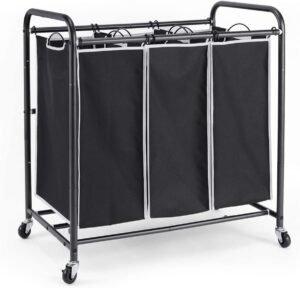
- Arrange closets by clothing color and use different hampers to sort laundry
- Keep commonly used items in the same location in each room
Managing medications
- Ask the doctor to describe and explain new medications
- Request large-print labels from the pharmacy
- Create a distinctive feel to each pill bottle (e.g. attach Velcro, felt, rubber bands, a button)
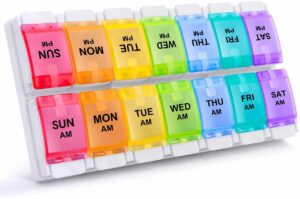
- Use large-print pill boxes or a talking medication reminder
Improving visibility
- Apply contrasting colors (e.g. a dark rubber bathmat on a light floor, light cutting board for dark counters, colored tape on the edge of steps, light sheets with a dark comforter and pillows)
- Utilize night lights, a flashlight or hall or room lights when getting up in the middle of the night
- Move slowly from a dark to light room and vice versa so the eyes can adjust
- Use an e-reader that allows the font size, brightness and contrast to be adjusted
- Add overhead lighting to reduce shadows and improve lighting consistency
- Add shades to all light sources to reduce glare
- Sit with the back towards windows and lamps
- Use gooseneck lamps for tabletop activities
Preparing meals and snacks
- Arrange the refrigerator and cabinets so items are easily accessible (e.g. organized by food type or item) and try to store them one row deep
 Scan or copy recipes into a high-contrast, large-print format and organize them alphabetically by food type
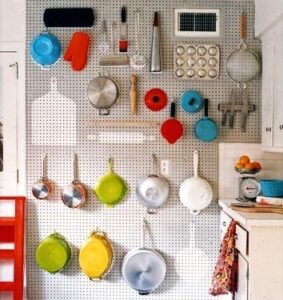
- Hang frequently used kitchen tools from a wall-mounted peg board
- Use contrasting items (e.g. white coffee mug, black measuring cups, under the counter lighting, oversized dial and button timers)
- you (e.g. organized by food type or item) and try to store them one row deep
- Mark appliance dials with bump dots to make the settings easier to identify
- Opt for the microwave instead of the stove
Managing finances
- Organize bills and important papers in varying color trays or folders with large print labels
- Access accounts online to enlarge the font size when paying bills and viewing statements
- Use adaptive equipment (e.g. large-print checks, signature guides and magnifiers)
Tips for Shopping
Adjustments can also be made to shopping. Try the following to improve the shopping experience:
- Create shopping lists according to the layout of store aisles
- Ask for store personnel for assistance, if necessary
- Shop online or with stores that offer delivery services
Learn more about occupational therapy from What is Occupational Therapy? and How Occupational Therapy Can Help Low Vision, and our Rehabilitation services.